
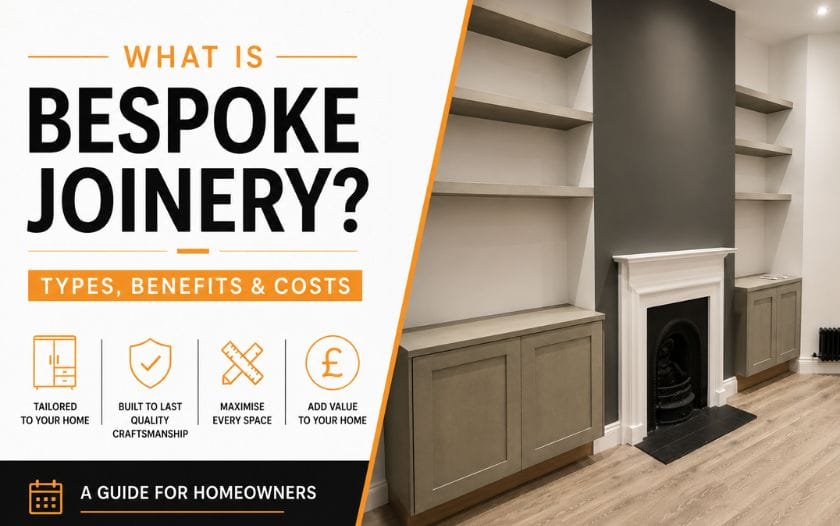
Many homeowners find that standard, ready-made furniture simply doesn’t make the best use of their space. Awkward gaps, limited storage, and poor fit are common problems, which is why bespoke joinery offers a more practical solution tailored to your home, lifestyle, and personal style.
Whether you’re planning fitted wardrobes, a bespoke kitchen, built-in storage, or another home improvement project, understanding the benefits of bespoke joinery can help you make informed decisions. From the layout of your room and available space to material selection and functionality, every detail influences the final result. Careful planning ensures your furniture not only fits smoothly but also enhances the practicality, appearance, and long-term value of your home.
With over 20 years of experience, North London Joinery has helped homeowners across London transform underused spaces into beautifully crafted, functional features built to last.
Key Takeaways
|
Understanding Bespoke Joinery
Bespoke joinery is the design and creation of custom-made wooden furniture and fittings built to match the exact dimensions and style of your home. Unlike ready-made furniture, every piece is made to order, allowing you to choose the size, materials, finishes, and design. Common examples include fitted wardrobes, bespoke kitchens, built-in storage, shelving, media units, and custom cabinetry.
Bespoke joinery helps you make better use of your space while creating furniture that suits your lifestyle and complements your interior. It combines quality craftsmanship with personalised design to deliver practical, durable, and long-lasting solutions for your home.
How Does a Bespoke Joinery Project Typically Work?
A bespoke joinery project typically begins with understanding your home, your storage needs and how you use the space. Once the design has been agreed, the furniture is manufactured to the required specifications before being professionally installed. While every project is different, the overall process follows the same logical stages.
One question we’re regularly asked before carrying out a site survey is whether measurements can be taken from floor plans alone. In reality, we always prefer to measure the property ourselves because even similar-looking homes often have small differences that affect the final fit.
1. Initial Consultation
The first step is discussing what you want to achieve. This isn’t simply about deciding what furniture you’d like; it’s about understanding how you use the room, what problems you’re trying to solve and what you expect from the finished result.
For example, a family may prioritise practical storage that keeps everyday items organised, while someone creating a home office may focus on workspace, cable management and integrated shelving. These conversations help shape the overall design before any measurements are taken.
2. Site Survey and Measurements
Once the project requirements are clear, accurate measurements of the room are taken. In our experience, one thing we’ve learnt after surveying homes across London is that no two properties are exactly alike. Even homes built on the same street can have slight differences in wall alignment, floor levels or ceiling heights. Taking accurate measurements before the design stage helps avoid problems later and ensures the finished joinery fits exactly as intended.
3. Design and Material Selection
After the survey, the design is developed around the property’s layout and the homeowner’s priorities. At this stage, decisions are made about the internal layout, storage configuration, materials, finishes and design details. Rather than selecting materials first, it’s usually more practical to finalise how the furniture will function before deciding on the appearance.
4. Manufacturing
Once the design has been approved, each component is manufactured to the agreed specifications. Unlike factory-produced furniture, customised joinery is made specifically for one property. This allows every section to fit together accurately while maintaining the design, proportions and finish agreed during the planning stage.
5. Installation
The final stage is installing the completed joinery within the property. Because everything has been designed around the space from the beginning, installation is generally more straightforward than trying to adapt standard furniture to fit unusual room layouts. Careful fitting and finishing help ensure the completed joinery looks integrated with the room and performs as intended for years to come.
What are the Benefits of Bespoke Joinery?
Bespoke joinery gives you furniture and fittings that match your space, style, and storage needs. It helps you make better use of your home, improves functionality, and provides a durable solution that standard furniture cannot match.
1. Fully Customised Design
Bespoke joinery and fitted furniture give you complete control over the design, materials, colours, finishes, and storage features. Every piece is made to match your style, maximise your space, and meet your specific requirements.
2. Better Use of Storage Space
Custom joinery helps you organise your home more efficiently by creating storage according to your lifestyle. Built-in wardrobes, shelving, and cabinets keep your space tidy while making everyday items easier to access.
3. Long-lasting Durability
Unlike many mass-produced furniture pieces, custom joinery focuses on quality construction and durable materials. With proper care, it can provide reliable performance and retain its appearance for many years.
4. Perfect Fit for Your Space
Bespoke joinery fits the exact dimensions of your home, making full use of every available inch. It works well in awkward corners, alcoves, lofts, and rooms with unusual layouts where standard furniture often falls short.
5. Adds Value to Your Home
Well-designed tailored joinery improves both the appearance and functionality of a property. Features such as fitted wardrobes, bespoke kitchens, and built-in storage can make your home more attractive to future buyers.
6. Craftsmanship
Skilled craftsmanship ensures every piece of customised joinery is made with precision and attention to detail. High-quality workmanship creates furniture and fittings that look seamless, function smoothly, and maintain their appearance for years.
Where Can Bespoke Joinery Be Used in Your Home?
Bespoke joinery can be used in kitchens, bedrooms, living rooms, home offices, hallways, bathrooms, and under-stair spaces. It creates custom furniture and storage that fit your home’s layout and make better use of every available space.
1. Bespoke Kitchens
A bespoke kitchen is designed around your space, lifestyle, and storage requirements, creating a practical layout that makes everyday use easier. Professional kitchen installation and fitting ensure every element is accurately installed for a smooth finish and long-lasting performance.
2. Fitted Wardrobes
Fitted wardrobes make full use of your bedroom space, including alcoves and sloped ceilings. You can customise the internal storage with hanging rails, shelves, drawers, and compartments to suit your daily routine.
3. Built-In Storage
Built-in storage keeps your home organised without taking up unnecessary floor space. It works well in living rooms, hallways, bedrooms, and under stairs to store everyday items neatly.
4. Media Units
A bespoke media unit creates a dedicated space for your television, entertainment systems, and accessories. It also helps hide cables and provides extra storage for books, décor, and other household items.
5. Shelving and Alcove Units
Custom shelving and alcove units turn unused wall space into practical storage and display areas. They fit perfectly around fireplaces, chimney breasts, and recessed walls for a flawless finish.
6. Home Office Furniture
Bespoke desks, cabinets, and shelving create a comfortable and organised workspace at home. Every piece fits your available space and supports the way you work.
7. Staircases and Internal Joinery
Bespoke joinery also enhances staircases, internal doors, wall panelling, and other timber features throughout your home. These custom details improve both the appearance and functionality of your interior.
Expert Insight: One thing we’ve found is that the best bespoke joinery projects aren’t defined by the most expensive materials or the most elaborate designs. The biggest difference comes from understanding how the homeowner will use the space and planning every detail around those everyday needs. That’s what creates joinery that not only looks right on the day it’s installed but continues to work well for many years to come.
What Materials Are Used in Bespoke Joinery?
Bespoke joinery commonly uses solid wood, MDF, plywood, and veneered boards because each material offers different benefits for durability, appearance, and cost.
1. Solid Wood
Solid wood is the most popular choice for made-to-measure joinery because of its natural appearance, strength, and long lifespan. Hardwoods such as oak, walnut, and ash offer excellent durability, while softwoods like pine provide a more affordable option for certain projects. Solid wood works well for fitted furniture, staircases, doors, and custom cabinetry.
2. MDF (Medium-Density Fibreboard)
MDF offers a smooth and stable surface, making it an excellent choice for painted furniture. It resists warping better than natural timber and creates a clean finish for fitted wardrobes, shelving, media units, and built-in storage. Many homeowners choose MDF when they want a modern painted finish at a more affordable price.
3. Plywood
Plywood consists of multiple layers of wood veneer bonded together to create a strong and stable panel. It handles weight well and performs reliably in areas where strength matters. Joiners often use plywood for cabinet boxes, shelving, kitchen units, and structural furniture components.
4. Veneered Boards
Veneered boards combine a real wood veneer with an engineered core such as MDF or plywood. This material delivers the appearance of natural timber while helping to control cost and improve stability. It suits bespoke furniture, wall panels, and cabinets that require a premium wood finish.
5. High-Quality Hardware and Finishes
Customised joinery also depends on quality hardware and finishes to improve performance and durability. Soft-close hinges, drawer runners, handles, protective coatings, paints, stains, and lacquers all contribute to a better user experience and help keep the finished joinery looking its best for years.
What Affects the Cost of Bespoke Joinery?
The cost of bespoke joinery depends on the size of the project, the complexity of the design, the materials selected, the level of craftsmanship required and the installation involved. Because every project is made specifically for one property, there is no single fixed price.
One of the questions we’re asked most often is, “How much will bespoke joinery cost?” The honest answer is that every project is different. Two fitted wardrobes may look similar in photographs but require very different levels of design, manufacturing and installation depending on the property.
Rather than focusing on an average price, it’s more useful to understand the factors that influence the overall cost.
i. Project Size and Scope
Larger projects naturally require more materials, manufacturing time and installation work than smaller ones. A simple alcove cabinet, for example, is very different from designing fitted furniture for multiple rooms or creating a bespoke kitchen as part of a larger renovation.
ii. Design Complexity
Simple, clean designs are generally quicker to manufacture than furniture with intricate detailing, curved elements or highly customised internal layouts. The more bespoke the design becomes, the more time is typically required during both the manufacturing and installation stages.
iii. Materials and Finishes
The materials you choose play an important role in both appearance and durability. Solid timber, veneers, plywood and engineered boards each have different characteristics, while painted, stained or lacquered finishes can also influence the overall cost depending on the level of preparation and workmanship required.
iv. Installation Requirements
Installation is about more than simply fitting furniture into a room. Older properties, uneven walls, restricted access and unusual room layouts often require additional time to achieve a precise finish. These site-specific factors are difficult to identify without first assessing the property.
Why Online Prices Rarely Match Reality?
Many online pricing guides provide only broad estimates, but they can’t take your property into account.
At North London Joinery, we’ve visited homes where two seemingly identical projects required completely different approaches because of differences in the building itself. Existing walls, floor levels, access and structural features can all influence the amount of work involved.
That’s why online prices should be viewed as a general guide rather than an accurate quotation. A proper site survey provides a far clearer understanding of what’s involved and allows recommendations to be tailored to your home rather than based on averages. You can also explore our recent projects to see how we’ve delivered tailored joinery and renovation solutions for different types of homes across London.
Is Bespoke Joinery Worth the Investment?
Yes, bespoke joinery is worth the investment if you want furniture that fits your home, meets your storage needs, and lasts for many years. It makes better use of available space and gives you complete control over the design, materials, and finish, creating solutions that standard furniture often cannot achieve.
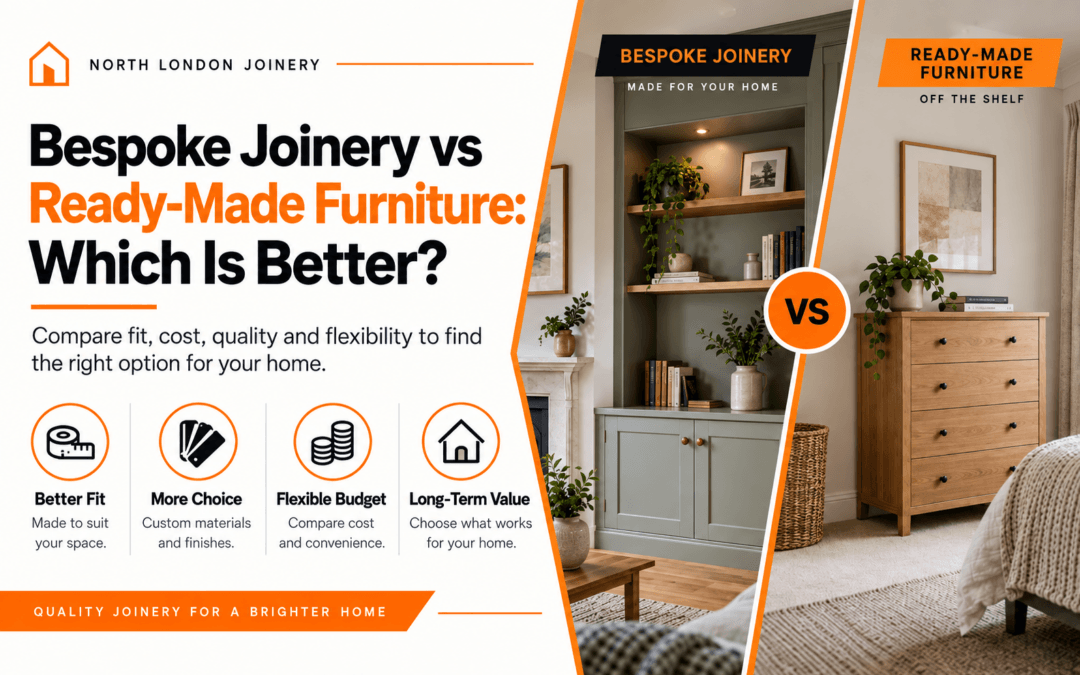
Although made-to-measure joinery usually costs more than off-the-shelf furniture, it offers higher-quality craftsmanship, greater durability, and a tailored finish designed specifically for your property. Well-planned features such as fitted wardrobes, bespoke kitchens, and built-in storage can also improve the functionality of your home while contributing to its long-term appeal.
If you plan to stay in your home for several years, bespoke joinery provides a practical and lasting solution that can adapt to the way you live. At North London Joinery, we’ve found that homeowners rarely value bespoke joinery simply because it’s custom-made—they appreciate how much easier it makes everyday living. From maximising awkward spaces to creating storage that works around a family’s routine, thoughtful planning often delivers the biggest long-term benefits. One example is our recent bespoke kitchen and custom storage in Hackney, where a carefully planned design transformed the available space into a practical, functional and visually cohesive living area.
Common Mistakes to Avoid When Choosing Bespoke Joinery
When choosing bespoke joinery, avoid low-quality materials, focusing only on price, and hiring an inexperienced joinery company, as these mistakes can affect the quality, durability, and finish of your project.
- Choosing Price Over Quality: Choosing the cheapest option can lead to poor craftsmanship and materials that wear out sooner. Focus on quality, experience, and value instead of price alone.
- Not Planning Your Storage Needs: Plan how you will use the space before the design begins. A clear storage plan helps create furniture that is practical and suits your daily needs.
- Choosing the Wrong Materials: Choose materials that match the purpose of the project and your budget. The right material improves durability, appearance, and long-term performance.
- Ignoring Accurate Measurements: Take accurate measurements before manufacturing begins. A precise fit ensures the joinery looks seamless and makes the best use of your available space.
- Hiring an Inexperienced Joinery Company: Choose a joinery company with proven experience, completed projects, and positive customer reviews. An experienced team delivers better workmanship and helps avoid costly mistakes.
From our experience, we’ve found that many of the problems homeowners face can be traced back to decisions made before any work begins. Taking the time to understand how the space will be used, selecting suitable materials, and working with an experienced joinery company can prevent costly changes later and help ensure the finished joinery performs as well as it looks for years to come.
How to Choose the Right Bespoke Joinery Company?
Choose a bespoke joinery company with proven experience, high-quality materials, positive customer reviews, and a clear design and installation process. A reliable joiner will understand your requirements, communicate clearly, and deliver a finished product that meets your expectations.
1. Check Their Experience
Choose a company with experience in projects similar to yours, such as fitted wardrobes, bespoke kitchens, or built-in storage. Experienced joiners can recommend practical solutions and deliver high-quality workmanship.
2. Review Their Previous Work
Look through completed projects to assess the company’s craftsmanship, attention to detail, and design quality. A strong portfolio gives you confidence in their ability to deliver the results you expect.
3. Ask About the Materials They Use
Quality materials play a major role in the durability and appearance of tailored joinery. Choose a company that uses reliable materials and explains why they are suitable for your project.
4. Read Customer Reviews
Customer reviews provide valuable insight into the company’s workmanship, communication, and reliability. Consistent positive feedback shows they have a strong track record of delivering quality projects.
5. Request a Detailed Quotation
Ask for a written quotation that clearly explains the scope of work, materials, finishes, installation, and overall cost. A detailed quote helps you compare companies and avoid unexpected expenses.
From our experience, the best joinery projects begin with clear communication and careful planning rather than rushing into manufacturing. A company that takes the time to understand your home, discuss your goals, and explain the available options is far more likely to deliver a result you’ll be happy with for years to come. If your project also involves structural timber work, doors, staircases, or other interior woodwork, it’s worth choosing a company that offers both bespoke joinery and professional carpentry services in London to ensure every part of the project is completed to the same high standard.
Conclusion
Bespoke joinery helps you create furniture and storage that fits your home, makes better use of your space, and provides long-lasting value. Whether you’re adding fitted wardrobes, a bespoke kitchen, or custom storage, the right design and quality craftsmanship can transform the way you use your space while adding long-term value to your property.
With many years of experience, North London Joinery delivers bespoke joinery services built around quality craftsmanship, premium materials, and personalised designs. Contact us today to arrange a free consultation and discuss your bespoke joinery project. We’ll help you create custom-made solutions that fit your home, style, and everyday needs.
Ready to transform your home with bespoke joinery? Get a free quote today. We’ll discuss your ideas, assess your property, and provide a tailored recommendation and quotation based on your needs and budget.
Frequently Asked Questions
Before recommending bespoke joinery, we assess your property’s layout, available space, storage requirements, room measurements, existing features, and how you plan to use the space. We also consider your preferred materials, finishes, budget, and long-term needs to ensure the finished joinery is practical, fits perfectly, and complements your home.
Common examples of bespoke joinery include a fitted wardrobe, bespoke kitchen, built-in shelving, media unit, alcove cabinet, or under-stair storage.
Bespoke joinery usually costs more than ready-made furniture because it is custom-designed and built using quality materials. However, it offers better durability, a perfect fit, and long-term value, making it a worthwhile investment for many homeowners.
Yes, bespoke furniture is typically built with higher-quality materials and skilled craftsmanship than mass-produced furniture. It is designed to last longer and provide a better fit for your home.
Bespoke joinery can last from 15-25 years with proper care and maintenance. Its lifespan depends on the materials used, the quality of workmanship, and how well it is looked after.
Bespoke joinery focuses on designing and creating custom-made wooden furniture and fittings, while carpentry mainly involves installing and constructing timber features such as doors, floors, roofs, and staircases.
0 Comments